The cheapest, freshest, longest-lasting flowers are the ones in season where you live. That is not a slogan. A flower cut in its season, grown within driving distance, spends hours in transit instead of days, opens on schedule, and usually gives you more stems for the same order than an import flown in against the calendar.
North Carolina sits in a useful middle: long springs, hot summers that suit heat-loving flowers, and falls that stretch into November. Here is how the year breaks down around Monroe, and how to order with it instead of against it.
Spring: the flower New Year
Late winter into spring brings tulips, daffodils, hyacinths, and ranunculus, followed by peonies for a short, famous window in late spring. Peonies are the lesson in seasonality: in their weeks they are full and reliable, and out of them they are small, costly in relative terms, and unpredictable. If your heart is set on peonies, set the date in their season, or choose garden roses, which carry a similar soft look across more of the year.
Summer: heat flowers take over
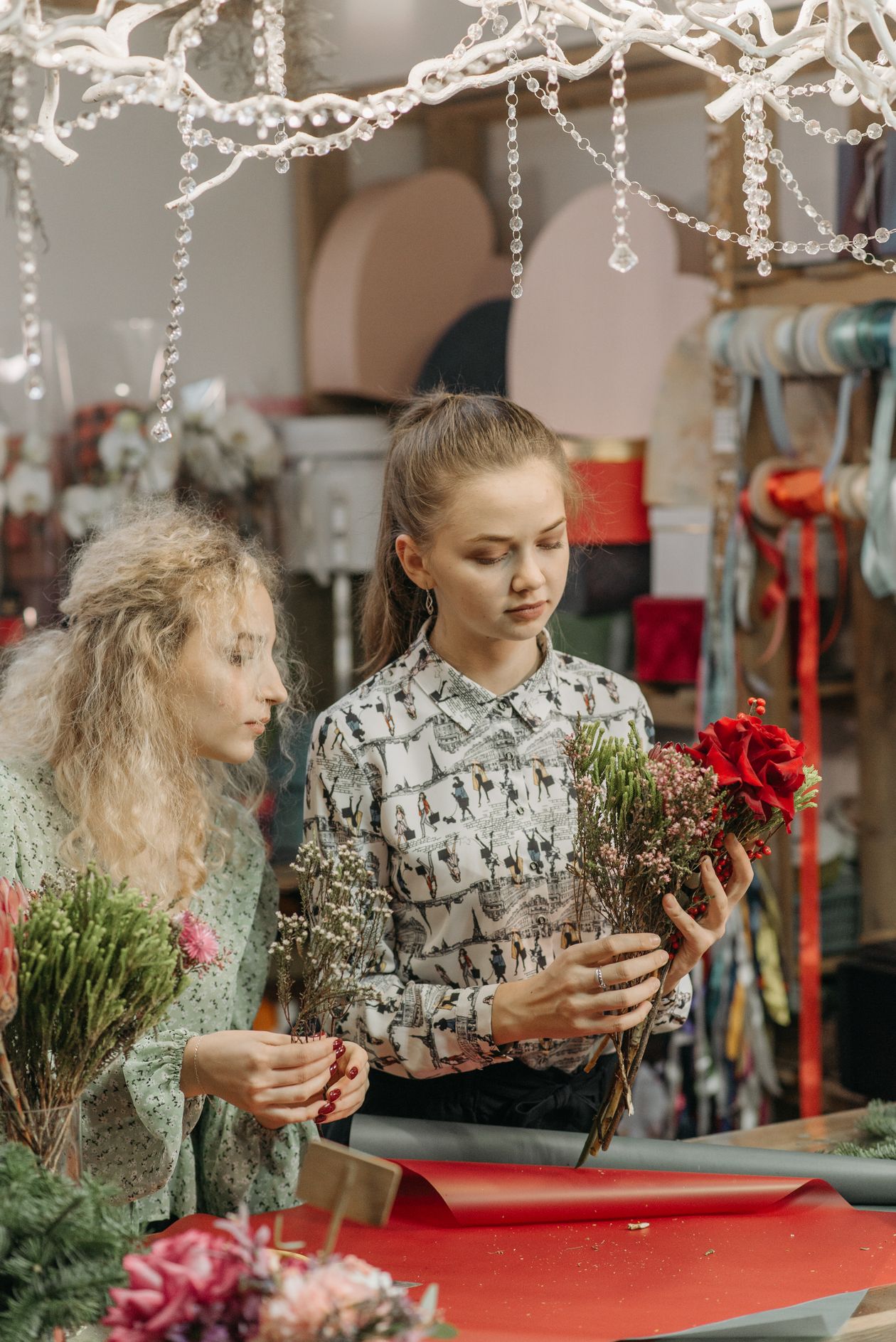
Summer in Union County belongs to zinnias, sunflowers, dahlias as the season builds, black-eyed Susans, and hydrangeas cut from local shrubs. These flowers handle heat, fill a vase generously, and suit the loose, gathered style most summer weddings and cookout tables want. Delicate spring flowers, by contrast, struggle in a hot car and a warm room in July, which is a logistics fact, not a quality judgment.
Fall and winter: texture season
Fall brings dahlias at their peak, mums, celosia, and grasses and seed heads that dry well and stretch an arrangement's life. Winter narrows the fresh palette, and good winter arrangements lean on evergreens, berries, amaryllis, paperwhites, and imported roses and lilies, with silk arrangements filling the gap for gravesites and businesses that need a piece to hold for months.
What local really means at a flower counter
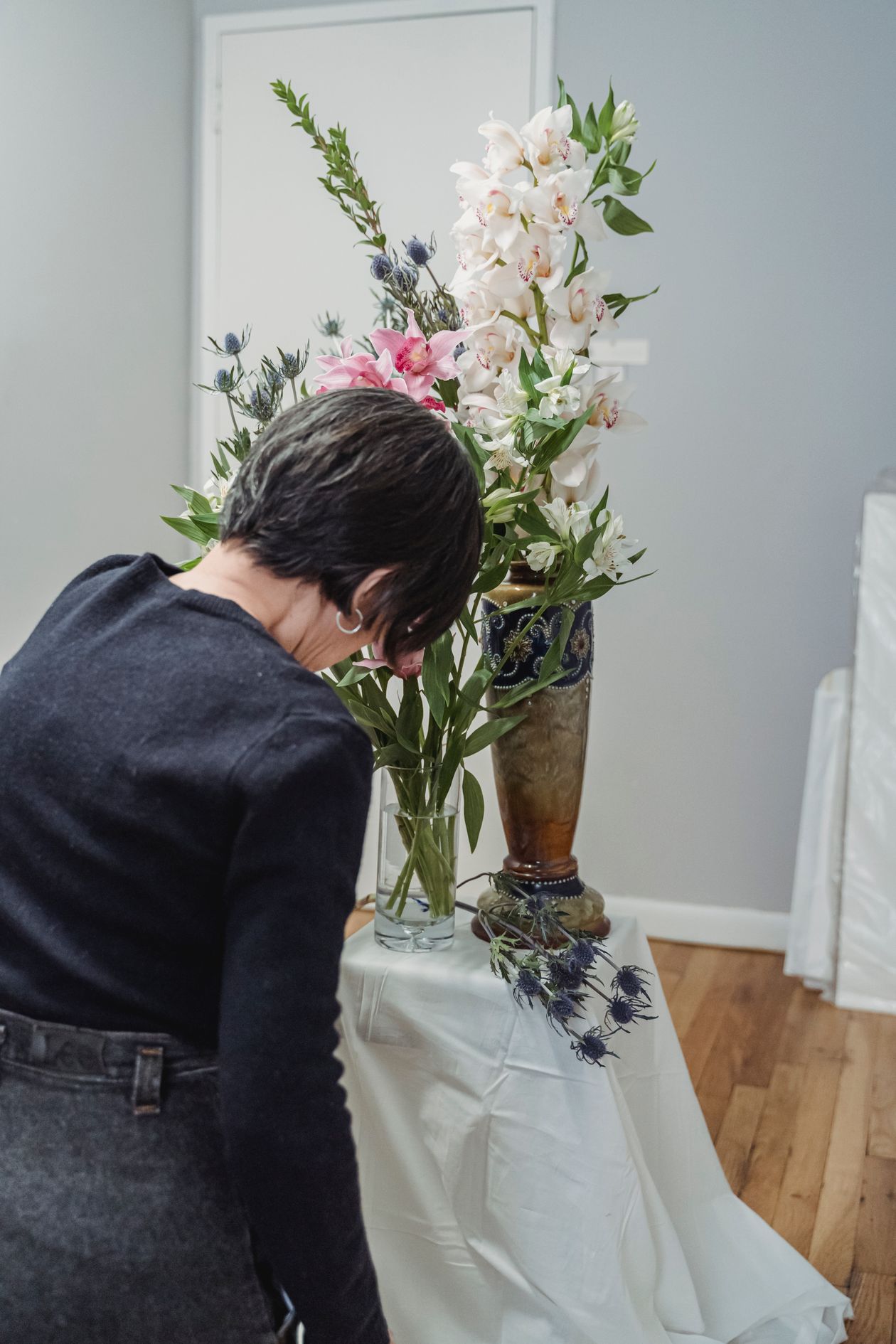
Local flowers are not automatically better flowers; they are fresher flowers, which for a vase is most of the battle. A zinnia cut yesterday morning in Union County and conditioned overnight will outlast a finer flower that spent four days in boxes and trucks. Florists blend both: staples like roses and lilies travel well and arrive year-round, while the seasonal and local stems give an arrangement its size, texture, and honest connection to the month outside.
Greenhouses stretch the calendar at both ends. Amaryllis and paperwhites are forced indoors for winter, tulips can be cooled and timed, and a good shop can often get a near-season flower a few weeks early or late. The further you push past the natural window, the more you should expect smaller blooms and a plan B. Ask directly what is peaking this week. That one question, asked with an open mind, gets you the best vase in the shop at any time of year, because the designer gets to build with the flowers they would pick for their own table.
Weather swings move the windows. A warm February pulls daffodils and tulips early in Monroe, and a cool spring can hold peonies back a week or more. Ice storms and hard freezes, which the Piedmont gets most winters, can cut a local crop the week you wanted it. Shops watch the same forecasts you do, and the substitution conversation goes better when everyone remembers the flowers are a crop, not a manufactured product with a warehouse behind it.
How to order with the seasons
Give the florist the occasion, the colors, and one or two flowers you love, then let the shop substitute within the season for the rest. That single sentence of flexibility is the difference between a full arrangement and a thin one at the same order value. If a specific flower matters more than anything, plan the date around it, and ask the shop months ahead what its local window really is. The Petal Shoppe of Monroe works with the same calendar, and a quick call settles what is peaking the week you need it.
Common questions
What flowers are in season in North Carolina in May?
May is one of the fullest months: peonies in their window, roses coming on, iris, and the last of the spring bulb flowers, with summer annuals starting by month's end.
Why do out-of-season flowers cost more in relative terms?
They travel farther, pass through more hands, and arrive with more waste along the way. You pay for freight and risk, and you often get fewer usable stems.
What is a good winter choice that still feels fresh?
Amaryllis, paperwhites, evergreen-based arrangements, and berries all read as fresh and seasonal in winter. Orchid plants are another strong winter gift.
Photos in this guide are representative stock images.
← All guides from The Petal Shoppe of Monroe← Back to The Petal Shoppe of Monroe